

Piracy Reignites off Somalia: A Must-Read Guide for Maritime Leaders
After several years of relative calm, Somali piracy has resurfaced in the western Indian Ocean. The attacks seen in late 2025 were not on the scale of the early 2010s, but they were clear, coordinated and came at a time when naval resources are already stretched. For superyacht captains and maritime professionals, this renewed activity is a reminder that piracy has been suppressed, not solved.
- A familiar threat in a changed environment
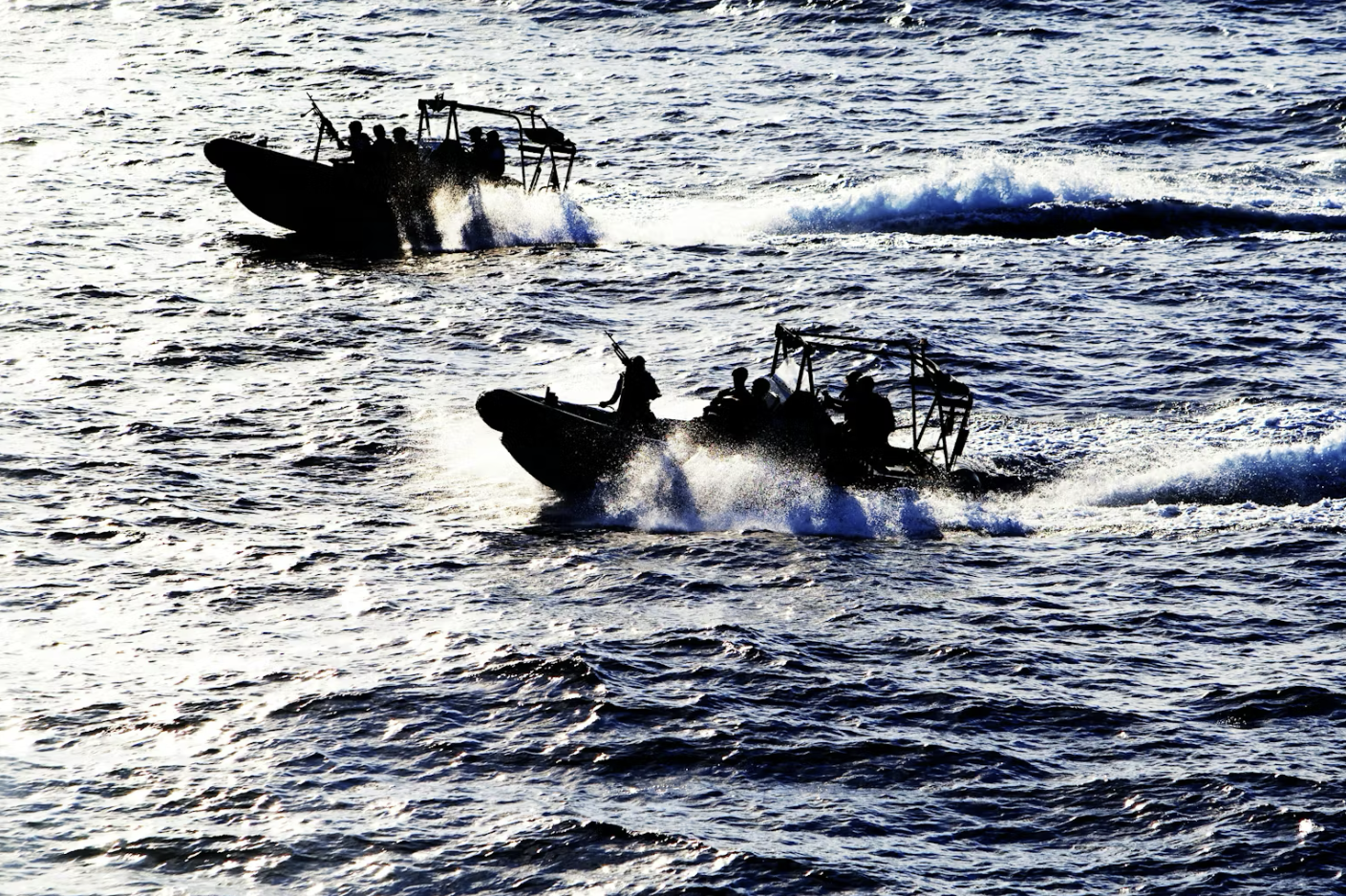
The latest incidents followed a pattern well known to those who operated during the height of Somali piracy. A dhow hijacked off the Somali coast was used as a mothership, from which high-speed skiffs launched into the wider basin. One tanker, Hellas Aphrodite, came under small-arms and RPG fire and was boarded before the crew secured themselves in the citadel and naval forces coordinated a response. Another vessel, Al Thumama, narrowly avoided boarding altogether.
Although no active pirate groups remain at sea now, these events demonstrate that the capability to mount long-range attacks is still very much alive.
The timing matters. Naval forces are deeply committed elsewhere — countering Houthi missile and drone attacks in the Red Sea, managing Iranian activity around the Strait of Hormuz, and responding to broader regional instability. With attention divided, pirates are more likely to test boundaries and exploit any perceived gaps in coverage.
- What the incidents tell us about protection at sea
One of the most encouraging aspects of these attacks was how well-established defensive measures worked. Bridge teams applied Best Management Practices with discipline: maintaining vigilant lookouts, adjusting speed, manoeuvring early and securing access points. Hardening measures such as barriers and razor wire slowed attackers down, and rehearsed citadel procedures ensured crew safety during the boarding of Hellas Aphrodite. Rapid reporting allowed naval forces to respond quickly, even if pirates withdrew before they arrived.
These are not new lessons, but they are timely. Periods of low activity often lead to complacency; recent events reinforce that BMP remains effective when applied consistently and seriously — and that superyachts, despite their profile, benefit from the same principles.
- Piracy as part of a wider risk picture
Today’s piracy threat does not exist in isolation. Vessels transiting the Indian Ocean must also consider missile and drone risks in the Red Sea, potential detentions or harassment in the Strait of Hormuz, and the knock-on effects of sanctions and political signalling across the region. This overlapping threat landscape complicates routing decisions, increases crew fatigue and uncertainty, and places additional pressure on shore-based operational teams.
For superyacht captains, who often manage tight itineraries and high guest expectations, the challenge is not only to understand these risks but to integrate them into coherent, proactive planning.
- Practical steps to stay ahead of the threat
Better intelligence remains the foundation of safer transits. Relying on a single reporting channel is no longer enough; building a rounded picture from UKMTO, MSCHOA, coalition navies and trusted private intelligence providers helps identify early warning signs such as unusual dhow movements or concentrations of small craft. This gives captains more time to adjust speed, routing and watchkeeping posture.
Revisiting BMP is equally important. Hardening must be properly installed and maintained, and drills should be realistic and vessel-specific, particularly on yachts where layouts and access points differ from commercial ships. Crew rotations and seasonal hires need consistent training so that procedures are understood across the board, not just by senior officers.
Crisis management — both onboard and ashore — also deserves renewed attention. A clear plan that defines roles, communication pathways and decision thresholds is essential. Tabletop exercises that run through piracy, detention or drone-related scenarios help crews and management teams understand how events unfold and where coordination may need improvement.
Lastly, insurance arrangements should reflect actual operations rather than legacy assumptions. Routes frequently bring yachts into or near High Risk Areas, and operators should understand what their war and piracy cover includes, what triggers additional premiums and whether they have access to specialist responders if an incident escalates.
- Looking ahead
The decline in Somali piracy over the last decade was achieved through sustained naval patrols, stringent adherence to BMP and improvements within Somalia itself. But those gains are not permanent. Recent events show that pirates still possess the tools, knowledge and motivation to mount attacks when opportunities arise.
Maintaining resilience will depend on a disciplined approach: treating BMP as essential, valuing good intelligence, and ensuring strong coordination between ship and shore. Superyacht captains and maritime professionals do not need to operate from a place of alarm — but they do need to operate from a place of awareness.
The most practical mindset is simple: assume the threat remains credible, prepare accordingly, and integrate piracy considerations into the wider maritime risk environment of the Indian Ocean and Middle East.
For immediate support or to discuss mitigation measures, contact enquiries@priavosecurity.com or visit www.priavosecurity.com.