

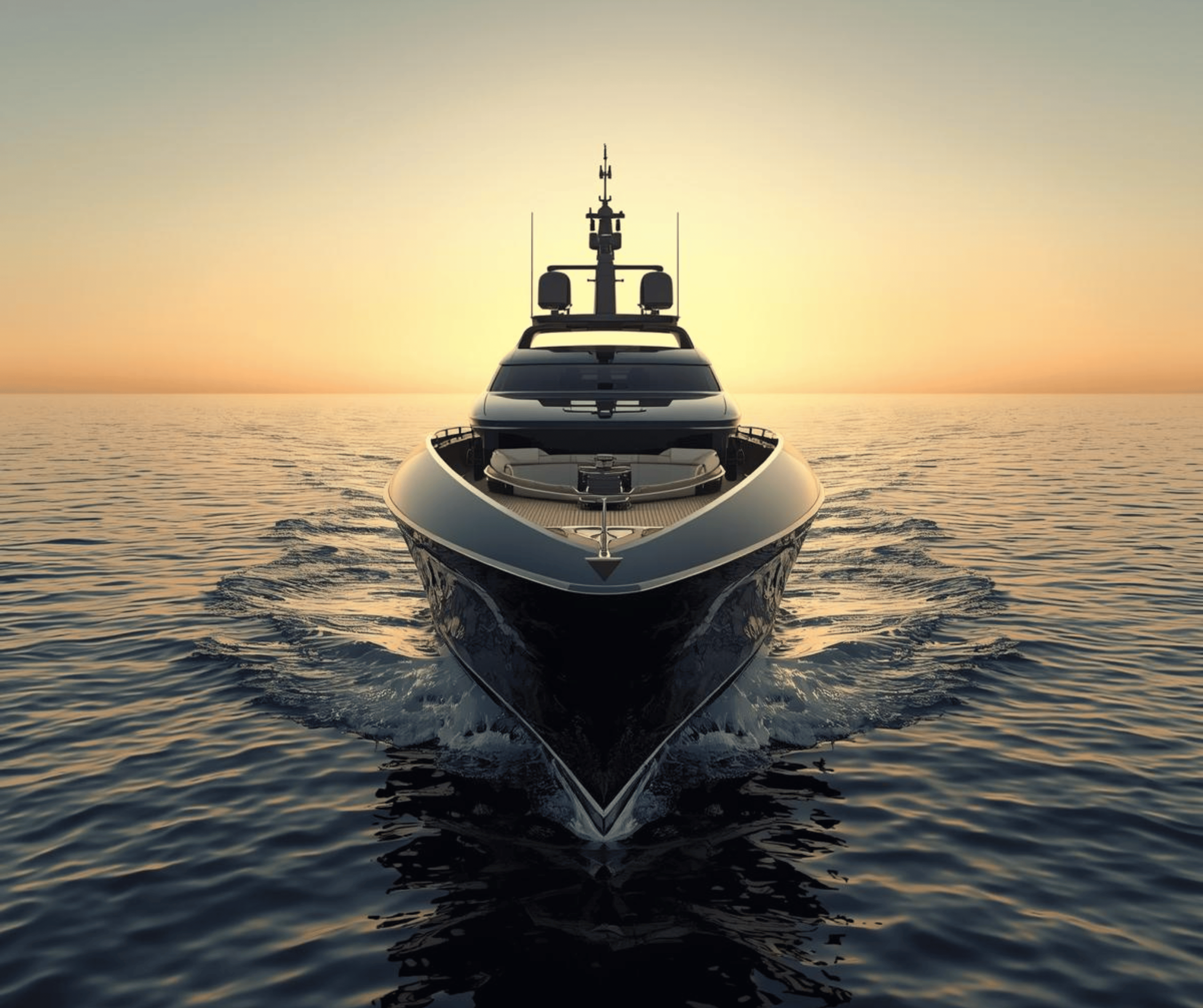
Protecting Superyachts Beyond the Horizon
The world of superyachts represents freedom, luxury, and privacy. Yet for all their sophistication, these vessels operate in some of the most unpredictable environments on earth. Once a yacht leaves the harbour, its safety depends not only on seamanship but on strategy, preparation, and intelligence.
From piracy and armed robbery to targeted theft and geopolitical tension, the threats facing high-profile individuals at sea have evolved. Effective superyacht security is now a multi-layered discipline — one that protects not just the vessel, but the people, assets, and reputation on board.
Below, we explore six essential strategies for protecting superyachts beyond the horizon.
1. Understand the Modern Threat Landscape
Every secure voyage begins with awareness. The risks that luxury yachts face at sea are not static — they change by region, season, and even political circumstance.
The International Maritime Bureau (IMB) continues to report incidents of piracy, especially across the Gulf of Guinea, the Horn of Africa, and Southeast Asia. While large-scale hijackings have declined, opportunistic attacks, thefts at anchor, and unauthorised boarding remain persistent risks.
Superyachts, with their high value and media visibility, are particularly attractive targets. Their routes are often published or can be tracked through maritime systems, and their high-profile owners may inadvertently attract attention through social media or public appearances.
Understanding these threats is the first layer of defence. Regular intelligence updates and risk assessments allow yacht captains, owners, and security managers to make informed decisions about where and when to travel.
2. Implement Layered Security Measures
A strong superyacht security plan relies on overlapping layers of defence, each designed to slow, deter, and respond to potential threats.
Physical measures include:
- Access control: limiting entry points to critical areas of the vessel.
- Perimeter lighting and alarms: ensuring early warning at anchor or during night operations.
- Barriers and safe zones: including citadels or secure compartments where passengers can retreat.
Electronic systems enhance this with radar surveillance, motion sensors, CCTV coverage, and automatic identification systems (AIS), all used responsibly to strike a balance between security and maritime compliance.
Human presence remains vital. Onboard security personnel, trained in both maritime safety and protective response, act as both deterrents and rapid responders.
A well-structured security plan ensures that if one layer fails, the next immediately activates, maintaining control and calm.
3. Use Secure Route Planning and Maritime Intelligence
Intelligence is the compass of modern maritime security. Safe navigation is not only about avoiding bad weather but also about avoiding risk zones.
Before any voyage, captains and security teams should consult the latest maritime advisories and regional intelligence reports. These include updates from:
- The UK Maritime Trade Operations (UKMTO) centre.
- The Maritime Security Centre – Horn of Africa (MSCHOA).
- Local naval authorities or coast guards.
Advanced route planning software can integrate this intelligence into voyage plans, identifying alternative paths if a threat emerges.
Discretion is equally important. Publicly broadcasting itineraries or sharing real-time locations on social media can expose vulnerabilities. Many owners now choose to disable AIS broadcasting in high-risk regions under authorised maritime exemptions to avoid tracking by opportunistic actors.
Effective superyacht security balances visibility with privacy, ensuring that safety never compromises freedom.
4. Train and Prepare the Crew
Even the most sophisticated vessel is only as effective as its crew. Comprehensive training ensures that every member of staff understands their role in maintaining security and safety.
Essential training includes:
- Recognising suspicious behaviour or vessels.
- Emergency procedures and lockdown drills.
- Operation of communication and alert systems.
- Use of non-lethal deterrence tools, such as water cannons or acoustic devices.
Regular drills turn procedure into instinct. This preparation not only protects passengers but reduces panic during emergencies — a critical factor in maintaining order and decision-making at sea.
Crew members are also ambassadors for discretion. Their awareness of privacy protocols, guest confidentiality, and information security prevents inadvertent leaks that could compromise safety.
5. Coordinate with Maritime Authorities and Private Security Partners
A successful security strategy extends beyond the yacht itself. Cooperation with maritime authorities provides early warning, guidance, and assistance if required.
Superyacht captains should establish contact with naval coordination centres before entering high-risk waters. These agencies can provide:
- Daily security updates.
- Recommended transit routes or convoy timings.
- Immediate response assistance in emergencies.
In particularly volatile regions, engaging private maritime security partners for escort services or onboard protection adds another level of assurance. Armed or unarmed teams can be embarked according to jurisdictional permissions, ensuring compliance with international and port laws.
The coordination between onboard teams and external agencies is what creates true resilience. Security becomes a shared responsibility, with everyone operating from the same situational awareness picture.
6. Protect Reputation as Well as Safety
For high-profile individuals, reputation can be as valuable as physical safety. A security incident at sea — even a minor one — can attract unwanted media attention.
Superyacht security, therefore, extends into privacy management. This includes:
- Restricting public photography or filming of the vessel.
- Managing digital communication channels to prevent leaks.
- Ensuring guests and crew adhere to confidentiality guidelines.
At sea, information moves quickly. A single post or leaked itinerary can compromise weeks of planning. Protecting reputation means maintaining discretion as diligently as physical safety.
The ocean offers unparalleled freedom, but freedom requires foresight. Effective superyacht security is not reactive; it is anticipatory. It blends intelligence, technology, human expertise, and discretion into a seamless protective framework.
For vessel owners, captains, and high-profile travellers, investing in a layered and intelligence-led approach is not about limiting adventure. It is about enabling it safely.
At Priavo Security, we deliver tailored maritime protection for yachts and vessels worldwide. From secure route planning to onboard protection and advanced intelligence, our teams operate quietly, confidently, and professionally, ensuring that every voyage remains both secure and unforgettable.