

Why superyachts still need serious maritime security in 2026
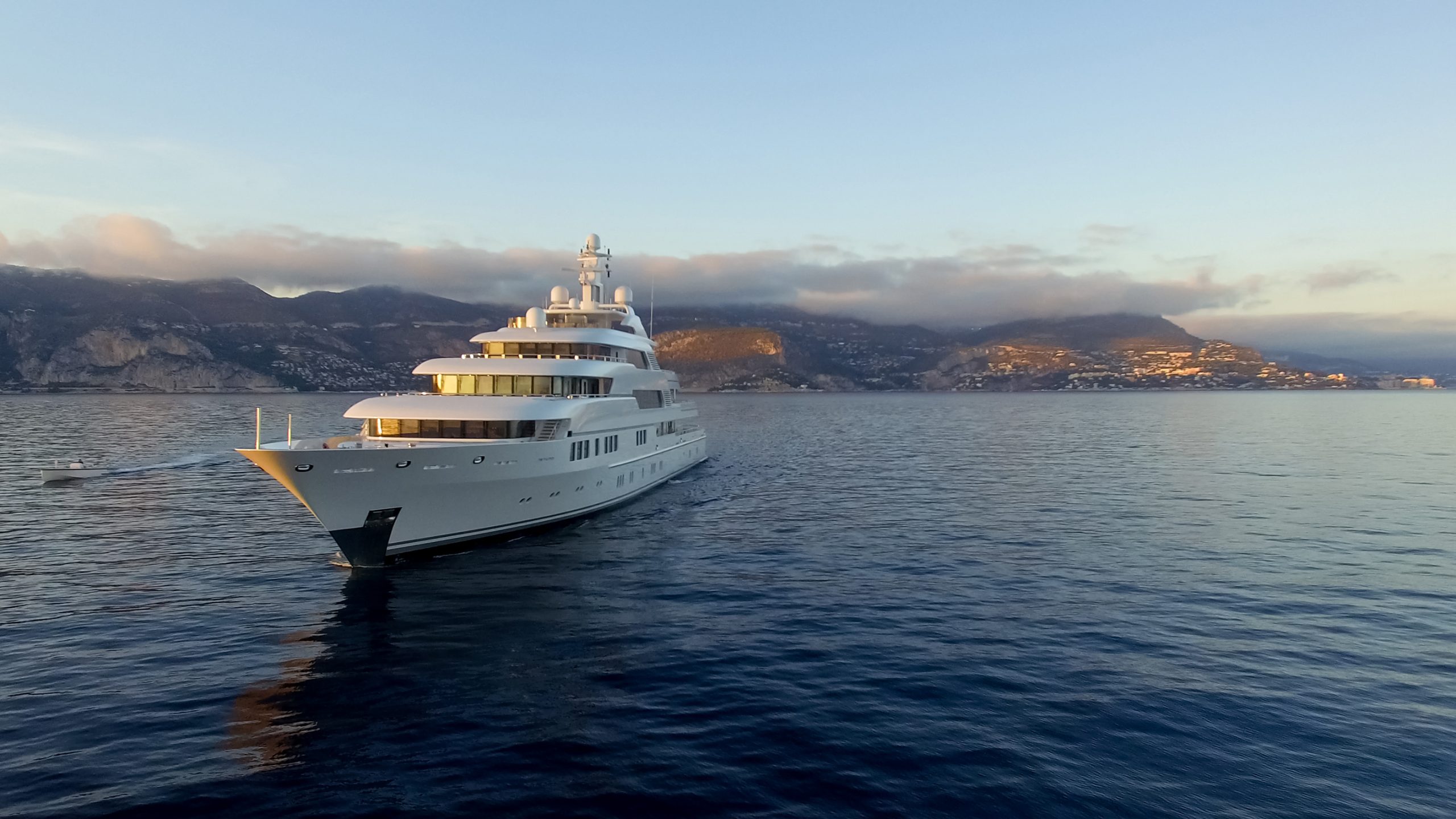
A superyacht can feel like the ultimate controlled environment. Private crew. Private itinerary. Private world. But the reality is simpler and less comfortable: a yacht is a high-value asset travelling through open space, often announcing its presence long before it arrives.
And while piracy globally may be lower than it once was, the risk picture for yachts in 2026 is not a straight line downward. It has widened. Threats now span sea, shore and screen, from organised robbery in busy maritime corridors to cyber-enabled fraud aimed at yacht operations and management.
The takeaway is not alarmism. It is realism. The best voyages are the ones where security is built in early, run quietly in the background, and never becomes the main event.
The threat map has changed, not disappeared
It is tempting to treat piracy as yesterday’s problem. Yet recent reporting points to renewed pressure in familiar choke points, alongside more opportunistic crime closer to home. Even “secure” marinas can produce nasty surprises during peak weekends, when crowds, distractions and high-profile arrivals create the perfect cover.
Owners and captains are dealing with a broader menu of risk than in previous seasons:
- Piracy and armed robbery at sea in volatile corridors such as the Gulf of Aden and parts of West Africa
- Theft and burglary in port, including incidents in high-profile Mediterranean hubs where criminals exploit blind spots
- Kidnap and hostage scenarios in certain regions where wealthy guests can be viewed as leverage
- Unauthorised boarding and surveillance, increasingly supported by drones gathering intelligence on routines and deck layouts
- Regional instability and corruption, where sudden political changes can weaken local enforcement or complicate response
Hot spots being flagged for 2026 include the Gulf of Aden, the Straits of Malacca and Singapore, and isolated anchorages along parts of West Africa’s coastline.
What protection looks like when it is done properly
Security on a yacht is not one piece of kit or one extra person. It is a layered plan that assumes any single measure can fail, and builds sensible backups around it.
Onboard systems form the backbone of that approach:
Access control and compartmentalisation
Modern access-control systems and biometric locks can limit movement between guest areas, crew spaces and sensitive zones. When something feels off, the ability to lock down quickly matters more than most people realise.
Perimeter awareness, early warning and verification
Real-time CCTV with perimeter analytics can spot suspicious approaches early, which buys options: notify authorities, alter course, adjust watch routines, or increase standoff distance before an issue reaches the swim platform.
Silent alerting and professional escalation
Ship Security Alert Systems (SSAS) are designed to raise the alarm discreetly. The value is not just the button, but the monitoring and the escalation pathway behind it, including coordination with maritime reporting centres and relevant coastal authorities.
Deterrence and delay
Motion-sensing deck lighting and acoustic deterrents can make night-time boarding less attractive. Low-profile ballistic window film can add valuable seconds and slow an intruder’s progress.
Refuge capability
A citadel or safe-room provides a secure place for guests during an incursion. It can also double as a storm refuge, with independent communications and emergency supplies.
None of these elements are magic on their own. Together, they create time, clarity and control.
The part most people underestimate: planning and rehearsal
Security is often discussed as hardware. In practice, the biggest upgrades are procedural.
Before departure, voyage-specific risk assessments help crews understand regional threats, corruption hot spots and realistic diversion options. During passage, clear communication channels between the bridge, maritime security support, and shoreside teams shorten response times and help satisfy insurer and state expectations.
Drills matter too. Not theatrical ones. Practical ones. SSAS drills, lockdown rehearsals, and scenario exercises that confirm everyone knows what to do in the first sixty seconds.
A good rule of thumb: if a security plan only works when the captain is on the bridge and the senior crew are awake, it is not a plan.
Crew training is where security becomes culture
The most sophisticated onboard setup still depends on people. A crew that can spot early warning signs, move guests calmly, and act without hesitation is the difference between an incident and an ordeal.
Training that actually shifts outcomes tends to cover:
- Recognising suspicious approach patterns and initiating protective manoeuvres
- Lockdown procedures for guest areas and operational zones
- Medical response under pressure and psychological first aid after an incident
- Cyber awareness, including spotting phishing attempts targeting crew devices and onboard systems
ISPS-aligned security awareness training, including recognised proficiency courses, is not just a compliance exercise. Done well, it creates consistency across a rotating crew, improves audit readiness, and can even reduce insurance costs by demonstrating an embedded security culture.
A modern approach: technology plus live support
The most comprehensive security programmes now combine intelligence, systems and professional response into one coordinated operation. The components typically include:
- Pre-voyage intelligence briefings that translate piracy trends, regional instability and port-state risk into route decisions
- Dynamic risk management that updates advice during passage based on evolving conditions
- Live vessel tracking and 24/7 alert monitoring for faster verification and response
- Onboard security capability that can be armed or unarmed depending on flag-state rules, local laws and the specific risk profile
- Scenario-based drills and compliance support to keep the yacht ready, not reactive
- Round-the-clock global assistance so the bridge can reach trained specialists immediately, not search for the right number mid-incident
The best versions of these programmes are designed to be discreet. They support lean crew operations and protect the guest experience. If everything is working properly, guests should feel looked after, not watched.
The bottom line
Superyachts still deliver unmatched freedom in 2026. They also demand more discipline than most people expect. Risk has not disappeared; it has diversified. Sea threats, port vulnerabilities and cyber-enabled fraud now sit side by side.
Owners and captains who combine layered onboard systems, well-trained crews, and professional maritime support put themselves in the strongest position: safe passages, smoother operations, and the kind of quiet confidence that lets a yacht feel like a true retreat.